What is it about?
This study develops a new local-level classification of consumer behaviour in England and Wales. By combining survey data, census data, and accessibility measures, the research identifies four main consumer groups and nine subgroups based on lifestyle, spending, mobility, and digital use. The results help reveal local differences in needs and behaviours, supporting evidence-based decisions from planners and retail managers, for example, where to invest in shops, improve access, or tailor services.
Featured Image
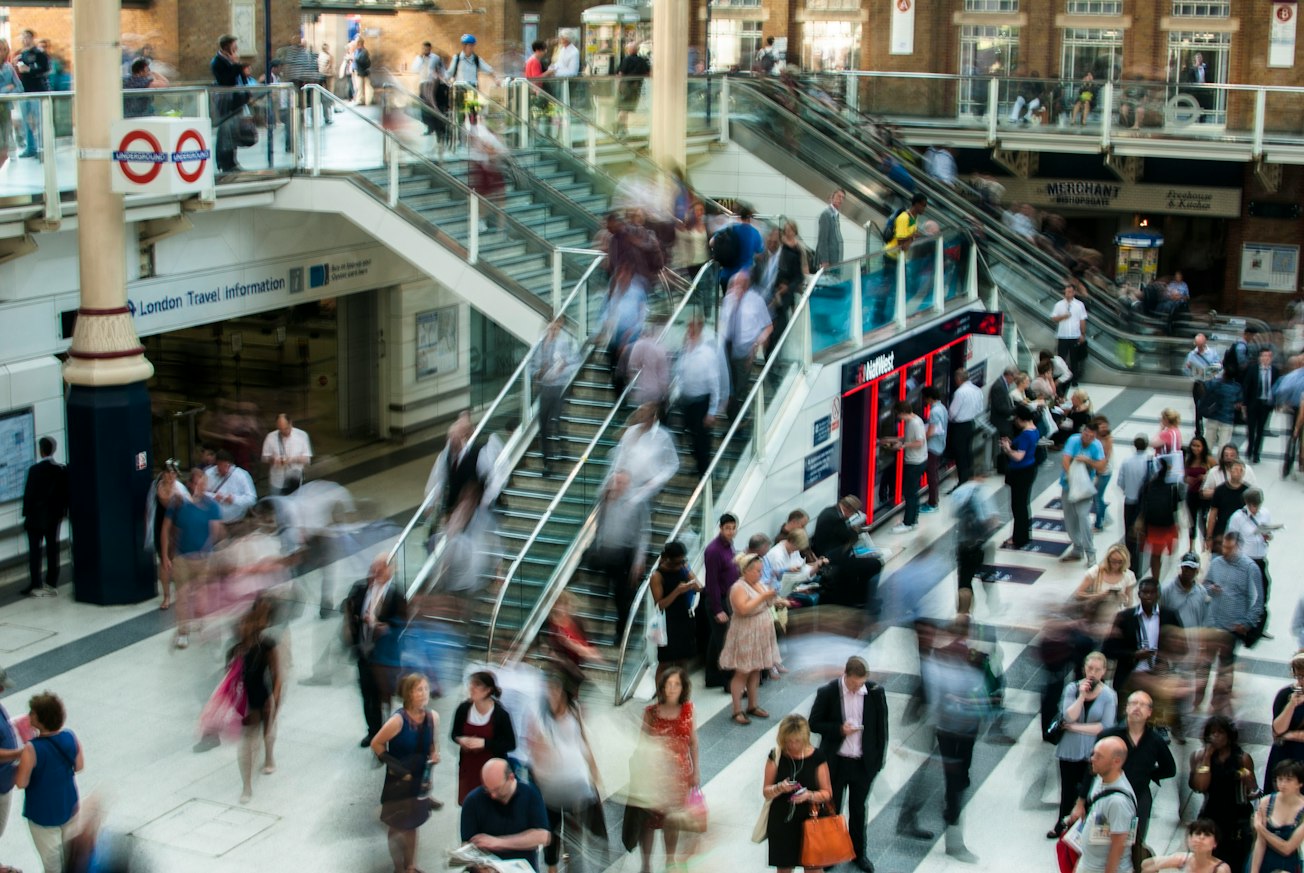
Photo by Anna Dziubinska on Unsplash
Why is it important?
Understanding consumers is increasingly difficult because shopping behaviour is shaped by more than income or age. Where people live, their access to shops and services, their use of digital technology, household circumstances and financial position all influence how and where they shop. This research brings these factors together to show how consumer behaviour varies across small areas of England and Wales. The resulting classification provides an openly available tool that can help retailers, planners and policymakers better understand the communities they serve. It can support decisions about where services and shops are needed, where accessibility or digital exclusion may be a problem, and how retail investment can be better matched to local demand.
Perspectives
Consumer behaviour is often described through broad demographic categories, but two places with similar profiles in two variables can have very different shopping behaviours. We wanted to understand what happens when we look beyond demographics and consider the combination of people's lifestyles, finances, digital engagement, shopping habits and access to retail. When we consider these dimensions together, we identified distinct consumer groups across England and Wales, including affluent professional consumers, budget-conscious young urbanites, family-oriented suburban consumers and traditional rural consumers. Importantly, these groups are shaped by the interaction between people and place rather than any single characteristic. For us, the value of the research is that the classification is not simply a way of describing neighbourhoods. It provides a practical framework for understanding local consumer needs and can help inform decisions about retail provision, high-street regeneration, transport accessibility, digital inclusion and investment.
Akos Balog
University of Liverpool
Read the Original
This page is a summary of: Developing an open, national-level, small-area geodemographic classification of consumer behaviour, Retail and Distribution Management, August 2026, Emerald,
DOI: 10.1108/ijrdm-06-2025-0436.
You can read the full text:
Contributors
The following have contributed to this page







