What is it about?
Refugee children often face difficulties when entering a new education system. Their educational experiences are shaped not only by what happens in the classroom but also by their family circumstances, relationships, social environment and wider education policies. This paper introduces an integrated conceptual model to better understand refugee children's educational experiences and how they develop a sense of identity in their new environments. It brings together four perspectives: social justice, caring relationships, rebuilding ordinary life after displacement, and the influence of different social environments on children's development. The model examines how access to resources, cultural recognition, participation in decisions and supportive relationships affect refugee education. At its centre are three closely connected needs: safety, a sense of belonging and educational success. The paper argues that refugee education should consider these needs together, recognising that children's opportunities to learn are influenced by their experiences both inside and outside school.
Featured Image

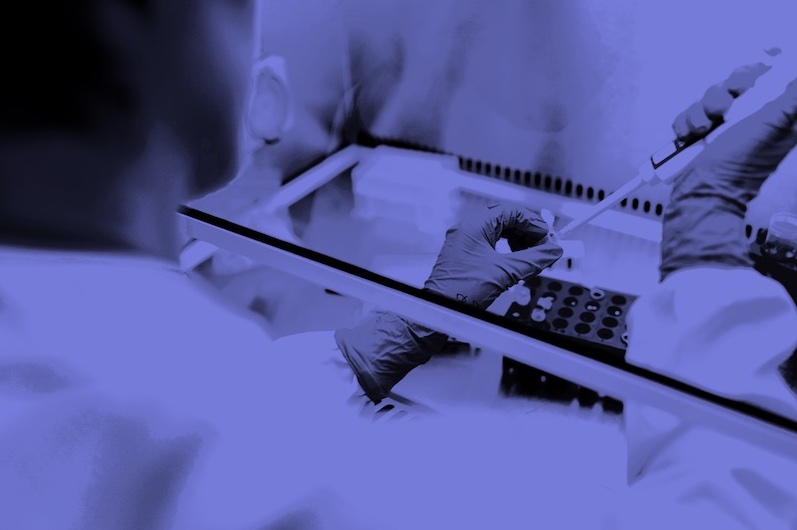
Photo by CDC on Unsplash
Why is it important?
Refugee education is often discussed in terms of school access, language support and academic achievement. Although these are important, they do not fully explain the experiences of children rebuilding their lives after displacement. This paper brings together existing educational theories into a single model and gives particular attention to caring relationships, which have not been adequately considered in some earlier approaches to social justice in education. The model offers researchers, teachers and policymakers a way to examine how educational opportunities are shaped by economic conditions, cultural recognition, participation in decision-making and emotional support. It also encourages a broader understanding of educational success that includes children's safety, well-being and sense of belonging. Although the model requires further examination in different educational settings, it provides a basis for developing more inclusive and responsive approaches to refugee education.
Perspectives
As an Afghan refugee scholar, educator and parent, my personal experiences have influenced how I understand refugee education and the questions I explore in my research. I have come to recognise that access to schooling, although essential, does not necessarily mean that refugee children feel safe, accepted or able to succeed. Their educational experiences are closely connected to the relationships they develop, the recognition they receive and the opportunities available to them in their new communities. In developing this model, I wanted to bring these different aspects of refugee education together while giving greater attention to the emotional and relational experiences of children and their families. I also believe that refugees, including refugee scholars, parents and young people, should have a meaningful place in research and decisions concerning their education. Their lived experiences can help us understand questions that educational theories and policies do not always adequately address.
Dr Mir Abdullah Miri
University of Bath
Read the Original
This page is a summary of: An integrated conceptual model for enhancing refugee education, British Educational Research Journal, March 2024, Wiley,
DOI: 10.1002/berj.4005.
You can read the full text:
Contributors
The following have contributed to this page