
Policy briefing
Sustainable development and the need to reform the carbon tax
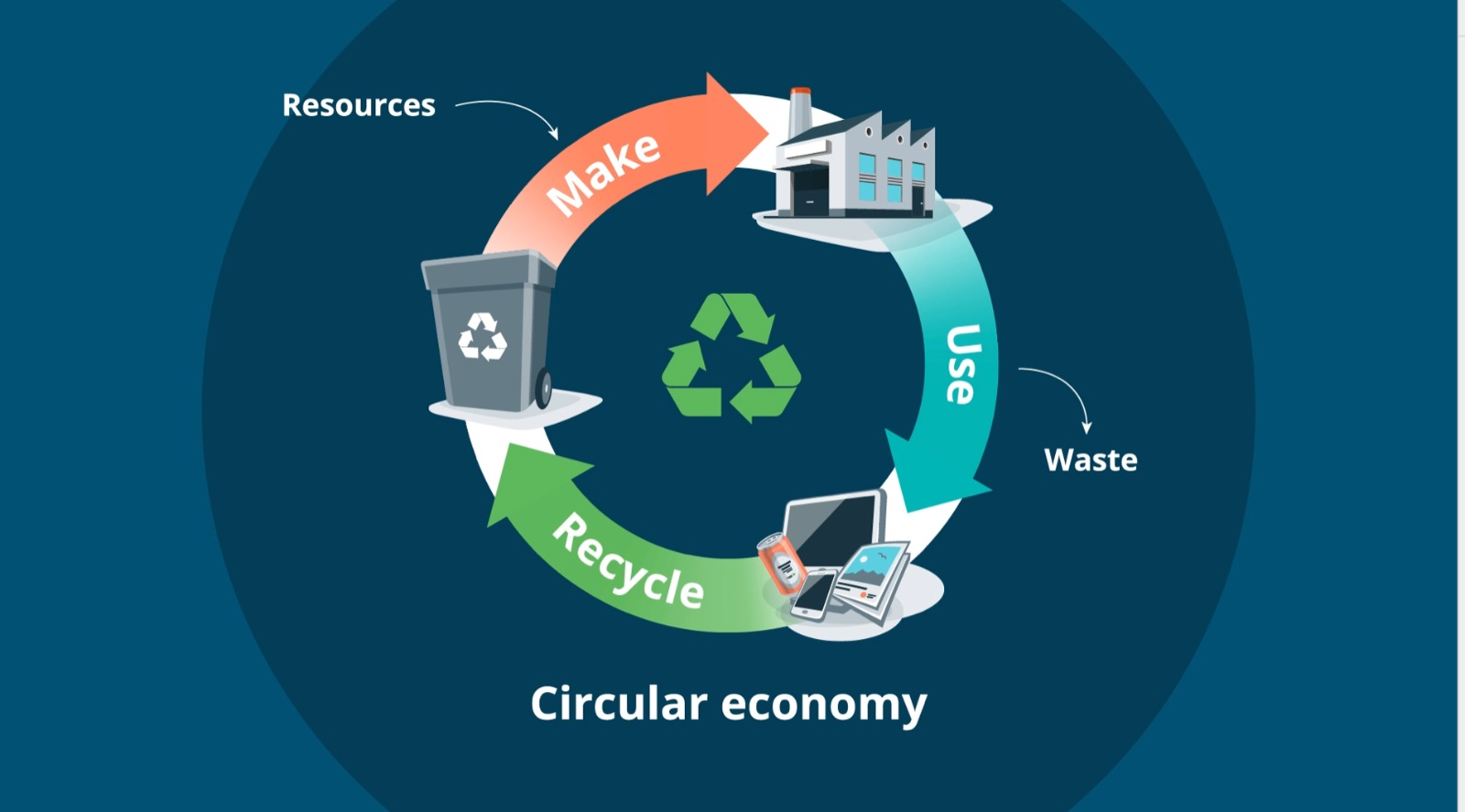
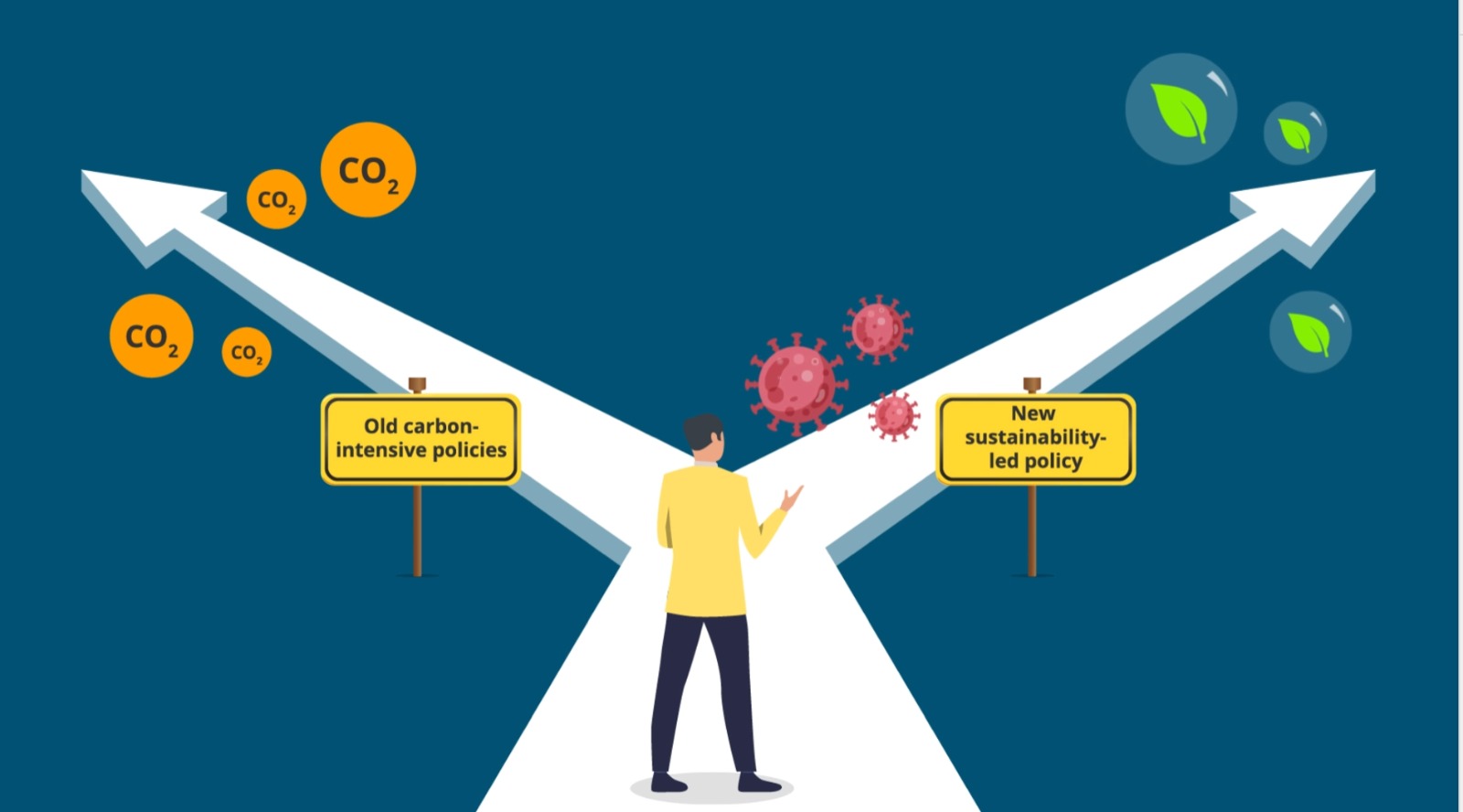
Sustainable development is not the way, but the only option for the international community to embrace to achieve global economic recovery and sustain the future's challenges. The 17 UN Global Goals (or SDGs) are more than just an aspirational framework for governments. They are a roadmap for business opportunities to transform them into a successful business that can sustain the current and future challenges. A shift to a sustainable model of an economy, with more greener emphasis, could create 24 million new jobs globally by 2030 if the right policies are put in place. Only the goods and services sector can generate over US$ 2.5 trillion in annual income, and this is growing at a rate of over 8% per year. In the ancient Rome Senate, Catalina (or Cataline) was an advocate for the cancellation of debts and land redistribution. Then he went “too far” with his demands of cancelling the tax at all and was accused of leading a plot to overthrow the Roman Senate. According to Cicero, “Quo usque tandem abutere, Catalina, patientia nostra? Quam diu etiam furor iste tuus nos eludet? Quem ad finem sese effrenata iactabit audacia?” The above has the following meaning in English: “When, O Catalina, do you mean to cease abusing our patience? How long is that madness of yours still to mock us? When is there to be an end of that unbridled audacity of yours, swaggering about as it does now?” As there is a broad consensus on the need for a carbon tax to cut emissions, and since the carbon tax has been in circulation in some countries of the world for about three decades now, the search for the right carbon tax is still going on. The carbon tax has provoked criticism and fierce discussions on how to implement it right. If implemented right, it would be a great asset in fighting climate change and boosting economic recovery and sustainable development. In the aftermath of the Covid-19 pandemic, there is an excellent international momentum for an economic reset and green recovery. Revolutionising the tax system would be the next logical step. 16 While everyone has to pay tax, and a carbon tax is a preferred option, the truth is that some more prominent companies go to extreme measures to minimise their contribution where they are based and where they sell. The new carbon tax must be calibrated against C02 levels created during production and mandatory end-of-product-life recycling. It would put the Government on the front foot by forcing through a more enlightened and joined-up approach to understanding the 'real cost of goods production. Tax avoidance by large corporations would be very difficult under this system. Unless we act boldly on reforming the carbon tax, and as soon as businesses resume their normal activities, we are risking to undo the temporary reduction of GHG emissions and miss the achievement of the sustainable development goals. Humans, we are all as senator Catalina. We need all to speak up on the need for change. As we all are right to seek to reform the tax systems, we are at risk of going to the "dark" side. Let’s make it right, and reform wisely the carbon tax. Reforming the carbon tax is paramount to achieve sustainable development and transform our traditional economy to a circular one. The knowledge and technology are already there. All we need is the determination to catch the momentum created by the Covid-19 pandemic and act boldly.