Industry briefing
Number 2
Number 2
Kudos Demo Group

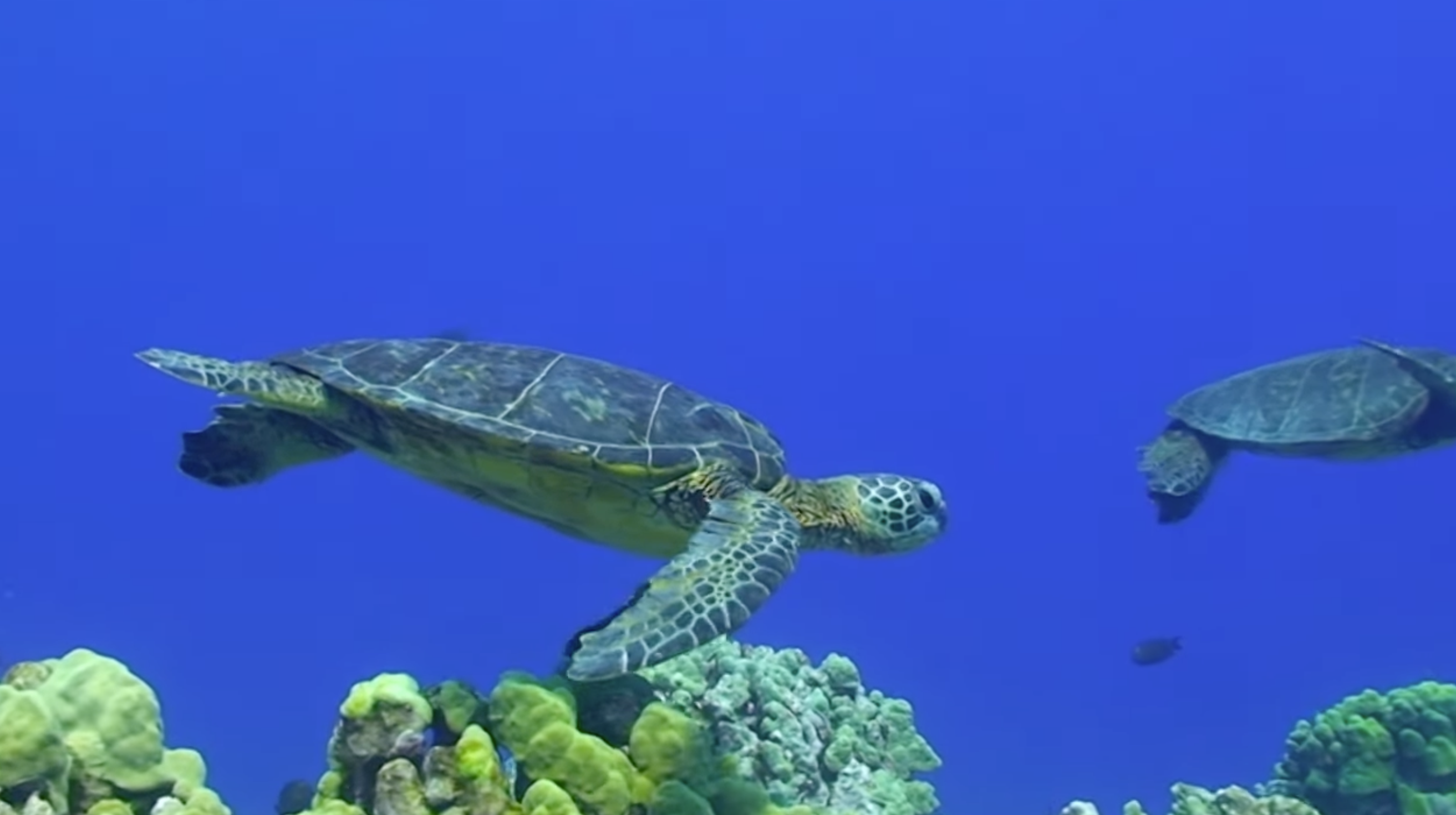
Our research project has found that adult sea-turtle migrations and their selection of feeding sites are directly influenced by their past experiences as little hatchlings adrift in ocean currents.
When they breed, adult sea turtles return to the beach where they were born. After breeding, adult sea turtles typically migrate several hundreds to thousands of kilometres to their feeding habitats. However, there has been little information about how turtles chose their feeding sites. For example, some turtles migrate to feeding habitats thousands of kilometres away, while other turtles don’t migrate or feed in the open ocean.
This is a sample Story page to demonstrate the capabilities of Kudos.
The study is important because we looked at what habitats the turtles would have experienced as juveniles. New-born hatchling sea turtles are too small to track with satellite tags. However, when they emerge from their eggs, they head to the ocean and drift with ocean currents to their juvenile development habitats. The researchers combined all the available satellite tracking data on adult turtles with models of how the world's sea water moves past nesting sites to study where the hatchling sea turtles drift to.
When I first started my research in this area 25 years ago it was considered a new and upcoming area. I’m thrilled that is now a much better understood area. I’m really passionate about the environment and I hope our research inspires others to make discoveries that will help preserve our precious ecosystems.

University of Oxford
I have spent the last 7 years researching sea-turtles, but my entire life fascinated by them. This project is key in understanding how adult sea turtles choose their nesting sites based on their juvenile experiences with satellite tracking data that continues to amaze and surprise us.
Industry briefing
Number 2
Industry briefing
Sea turtles are threatened by industrial processes. There is a risk that the knowledge inherited by turtles from their parents can be disrupted by human activity, particularly when this affects their breeding habitats. This can reduce sea turtle numbers. Coastline industries need to:
Educator briefing
We have created a sea turtle resource guide to provide you with all the information you need to teach your students about sea turtles and their habitats.
The guide provides interesting and fun sea turtle facts, why they matter, what threats they face, and what we can all do to help sea turtles and the oceans where they live.
There are a variety of resources and activities available including a link to download our new Turtle Tracker App that allows you and your students to track turtles we are researching in real time.
Press briefing
LONDON, Feb 2020
A newly published study shows for the first time that sea turtles inherit key information that helps them navigate. It had been previously thought that sea turtles navigate by directly following their parents and through their own experiences, but the new study shows for the first time that navigation routes can be passed on between generations, even without the turtles travelling the routes themselves.
Through a major 4-year project involving tracking turtles by tags, following them by high-altitude drones and integrating satellite data, the team has uncovered how navigation is in fact passed on between turtle generations.
Lead researcher and internationally renowned herpetologist, Prof David Sommer commented: “For the first time our international team have unlocked one of the great unknowns in turtle navigation. By understanding how turtle's internal ’sat nav' is programmed, we can better protect future generations of these species”.
The findings are now being processed in more detail and it is anticipated that a number of follow up projects will ensue.
### The research has been jointly funded by Turtle Watch, Marine Ecosystems International and the Leonardo foundation.
Press contact: info@growkudos.com or call 555 555 1234
An educational video by SEE Turtles about sea turtle migrations including leatherbacks and loggerheads. Learn how these amazing animals swim thousands of miles
An infographic showing that humans are the greatest threat to sea turtles.
La Tortuga Feliz offers an affordable turtle conservation program in Costa Rica, whose aim is the protection of sea turtles with the help of volunteers.
We demonstrate Mediterranean green turtle (Chelonia mydas) populations have been utilising the same North-African feeding grounds for at least ~3000 years, hig…
University of Oxford

Kudos Innovations Ltd

University of Oxford

Oxford Brookes University

Queen Mary's College

Kudos Innovations Ltd