What is it about?
There are several enzymes involved in the pathogenesis of SARS-CoV-2 of which the enzyme RNA dependent RNA polymerase (RdRP) that exist only on the viral genome relatively grabs higher level of therapeutic importance due to its versatile action in mediating nonstructural protein (nsp 12) essential for viral replication. Drugs that inhibits this RdRP activity may have expected to halt the replication of viral genome and thereby control disease progression. Recent clinical outcomes reveal improved efficacy of favipiravir (RdRP) inhibitor with estimated recovery rate of 71.43% in treated cases. Present study aimed at exploring RdRp enzyme inhibition potential of iddha formulation of both the formulations (Nilavembu Kudineer and Kaba sura kudineer) using predictive molecular docking assay.
Featured Image
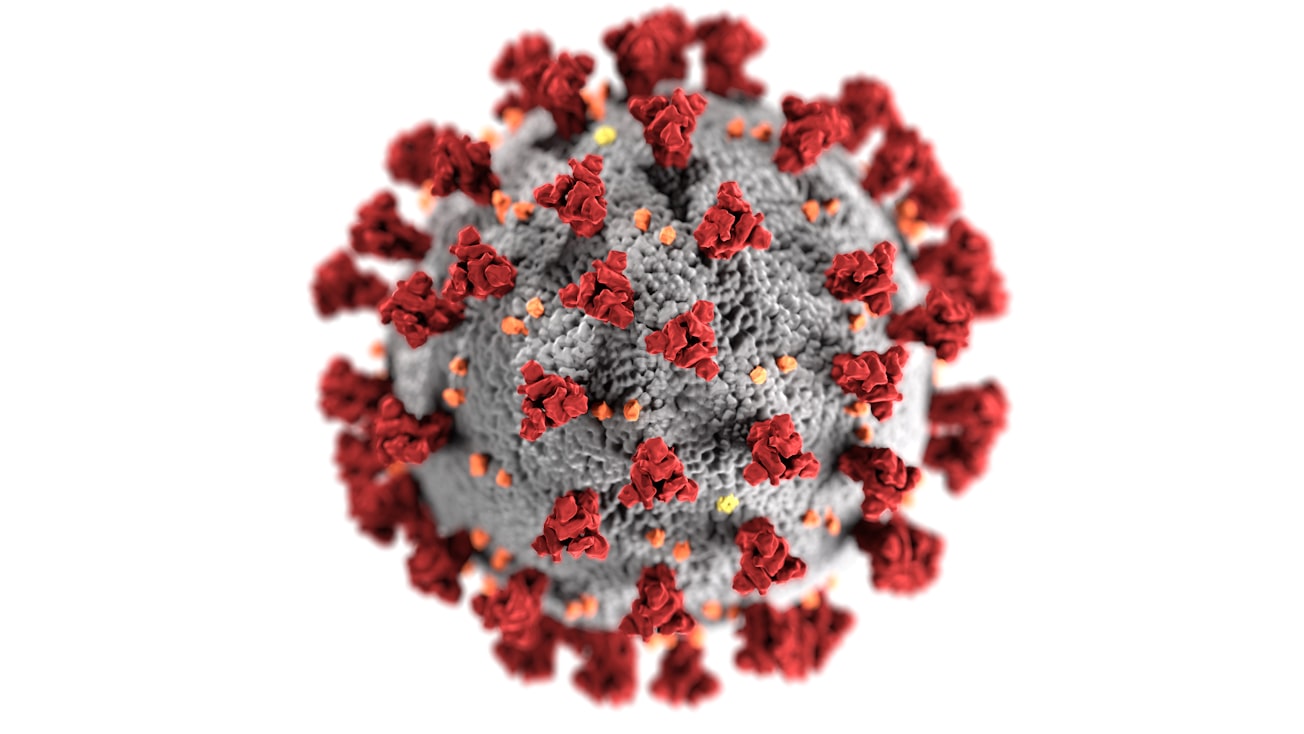
Photo by CDC on Unsplash
Why is it important?
Residual proximity analysis reveals 18 out of 28 compounds present in the formulation Nilavembu Kudineer and Kaba sura kudineer reveals potential binding affinity of about 100% with the target amino acid residue (618 ASP, 760 ASP,761 ASP), 7 out of 28 reveals 75% binding efficacy and 3 out of 28 reveals 25% binding efficacy with that of the target residue. Hence further clinical validation may be warranted with proper in-vitro and in-vivo studies prior to the clinical recommendation in treating COVID-19 patient’s
Perspectives
Revealing anti-viral potential of Bio-active therapeutics targeting SARS-CoV2- polymerase (RdRp) in combating COVID-19: Molecular Investigation on Indian traditional medicines
SIVARAMAN D
Sathyabama University
Read the Original
This page is a summary of: Revealing Anti-viral Potential of Bio-active Therapeutics Targeting SARS-CoV2- polymerase (RdRp) in Combating COVID-19: Molecular Investigation on Indian Traditional Medicines, March 2020, MDPI AG,
DOI: 10.20944/preprints202003.0450.v1.
You can read the full text:
Resources
Revealing anti-viral potential of Bio-active therapeutics targeting SARS-CoV2- polymerase (RdRp) in combating COVID-19: Molecular Investigation on Indian traditional medicines
Publication from Preprint
Revealing Anti-viral Potential of Bio-active Therapeutics Targeting SARS-CoV2- polymerase (RdRp) in Combating COVID-19: Molecular Investigation on Indian Traditional Medicines
Preprint
Contributors
The following have contributed to this page







